
Viscose
I.M. International is a global viscose yarn supplier delivering pure viscose and poly viscose blends to fabric manufacturers, garment producers, and knitters worldwide. Viscose — a regenerated cellulose fibre with the natural drape of silk and the breathability of cotton — has become a category staple for premium apparel, fashion knitwear, and woven fabrics requiring a soft, fluid hand. From our Melbourne base, we ship viscose yarn across Australia, New Zealand, Europe, Southeast Asia, and South America with free sampling, certified quality, and mixed-container shipment flexibility.
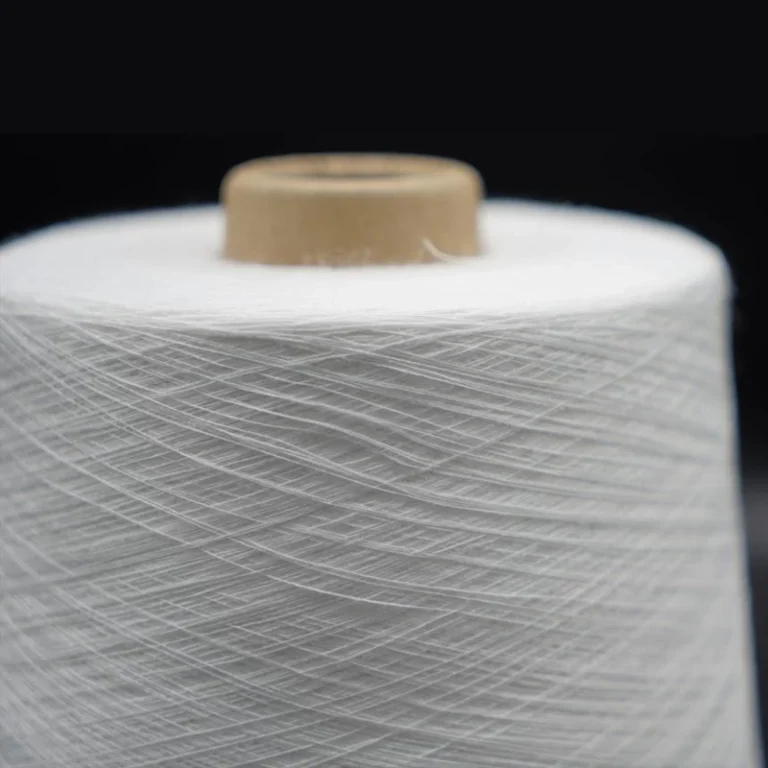
Viscose
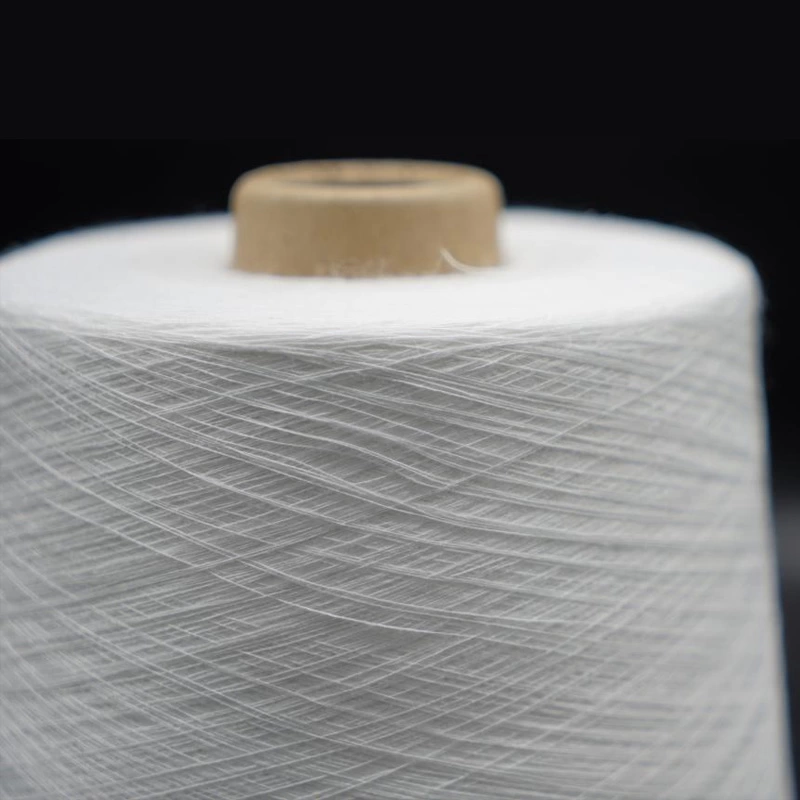
Poly Viscose
| Fibre composition | 100% viscose; poly viscose blends in standard and custom ratios |
| Spinning system | Ring spun, open-end |
| Yarn count range | Ne 16 to Ne 40 (confirmed at order) |
| Finish options | Raw white standard; dyed and melange available |
| Twist | Z-twist standard; S-twist on request |
| Packaging | Cones, bobbins; export-grade |
| Minimum order quantity | Container-load standard; mixed-container options |
| Lead time | Quoted at enquiry |
Viscose is a type of rayon. ‘Rayon’ is the broader category of regenerated cellulose fibres; viscose is the most common rayon production process. Other rayon types include modal (a higher-tenacity rayon) and lyocell (produced via a closed-loop solvent process). For practical sourcing purposes, viscose and rayon are used interchangeably for the same material in most markets.
Yes — viscose is derived from natural cellulose (wood pulp) and biodegrades under appropriate composting conditions, unlike synthetic fibres like polyester. The environmental profile depends heavily on the production process and sourcing of the wood pulp; certifications such as FSC (Forest Stewardship Council) for the wood pulp source provide additional sustainability assurance.
Both are regenerated cellulose fibres, but modal is engineered for higher tenacity (especially when wet), better dimensional stability, and a smoother finish than standard viscose. Viscose is softer and more fluid; modal is stronger and more durable. Many premium apparel brands now specify modal where they previously used viscose, particularly for activewear, base layers, and underwear. We supply both — see our modal yarn page for details.
Yes, with caveats — viscose dyes well in standard reactive dye baths, while polyester requires disperse dyes at higher temperatures. For poly viscose blends, garment-stage dyeing typically uses a two-step process or dope-dyed polyester is used to simplify the dyeing route. Most knitwear mills familiar with the blend handle this routinely.
Whether you need pure viscose yarn, poly-viscose blends, or custom blend ratios to suit your manufacturing requirements, we deliver high-quality yarn backed by dependable global supply. Our team will provide a tailored quotation within one business day and ship free product samples so you can confirm quality and performance before ordering.
Request a viscose yarn sample, get a competitive quote, or call +61 3 9510 9472 to discuss your requirements.
Call us: +61 395 109 472